

Developed by Defcon Films Australia
PPF VS CERAMIC COATING
Impact protection and surface chemistry are not the same product.
One Absorbs Impact,
One Manages Chemistry
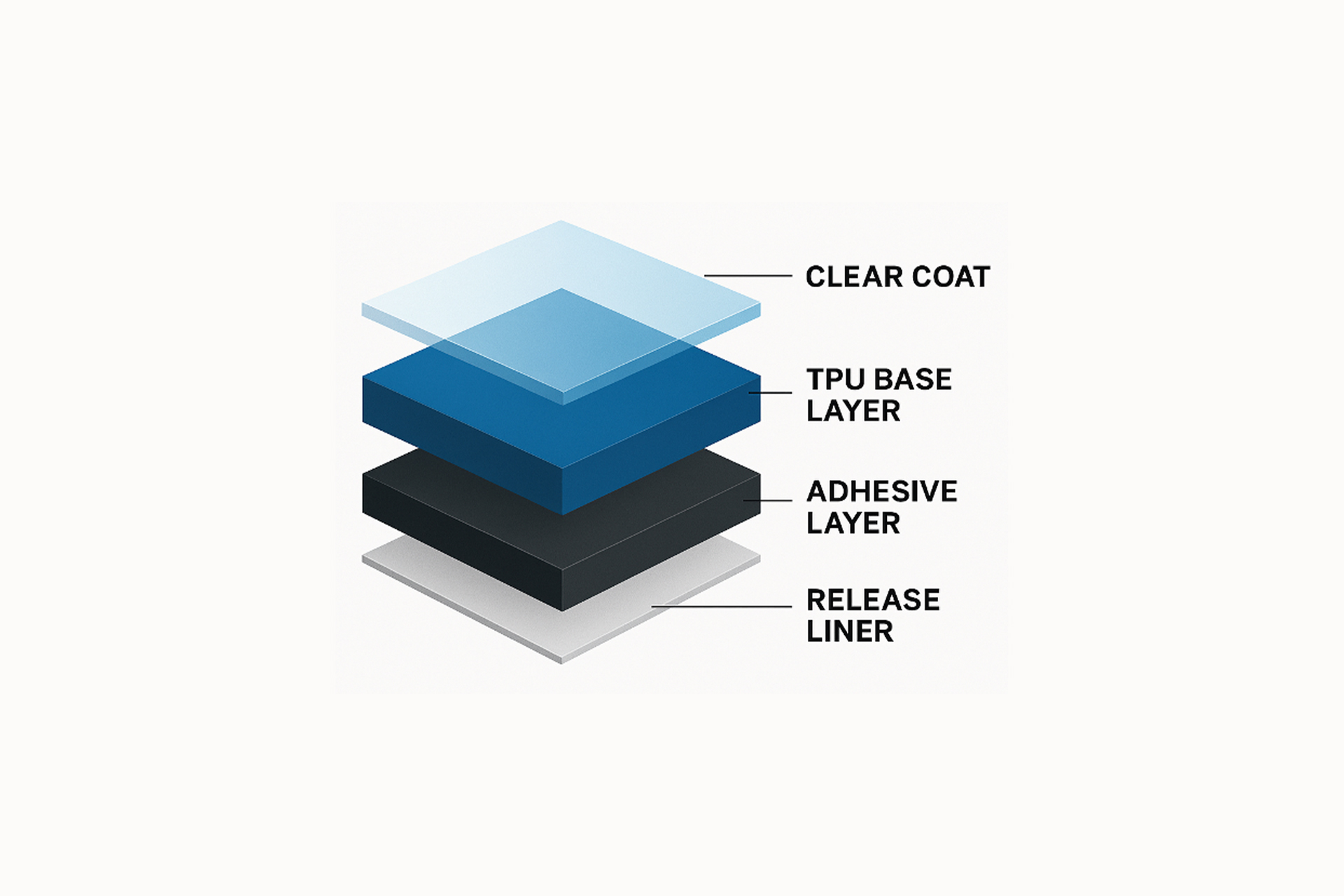
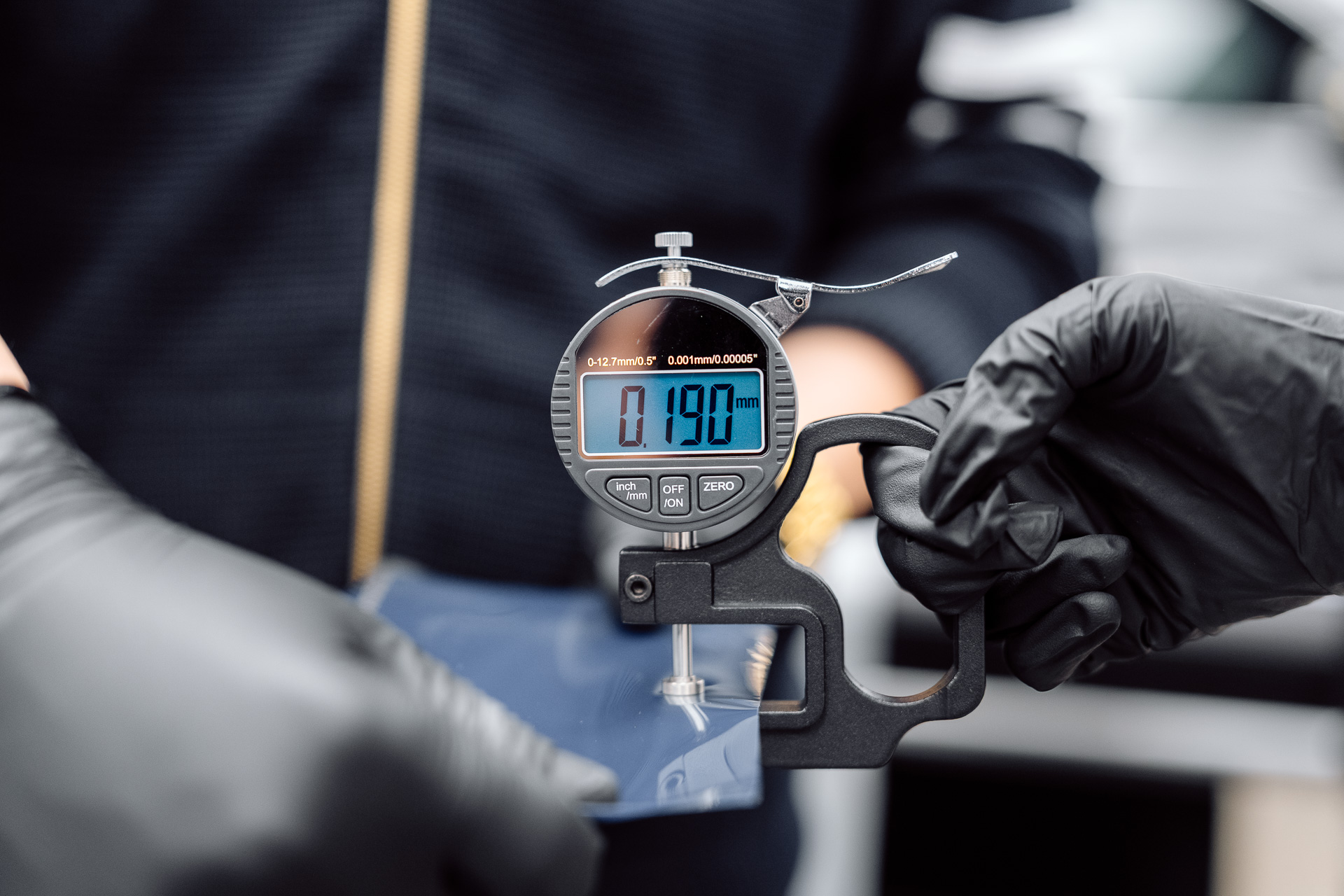
PPF is a physical barrier: 190 microns ±10% of TPU that takes stone chips, with close to 10 kg single-point puncture resistance and a self-healing top coat. Ceramic coating is surface chemistry: gloss, beading and easier washing, with no impact protection.
They are not competitors, and quoting them as either-or leaves money and protection on the table.
The Stack Is The
Real Answer
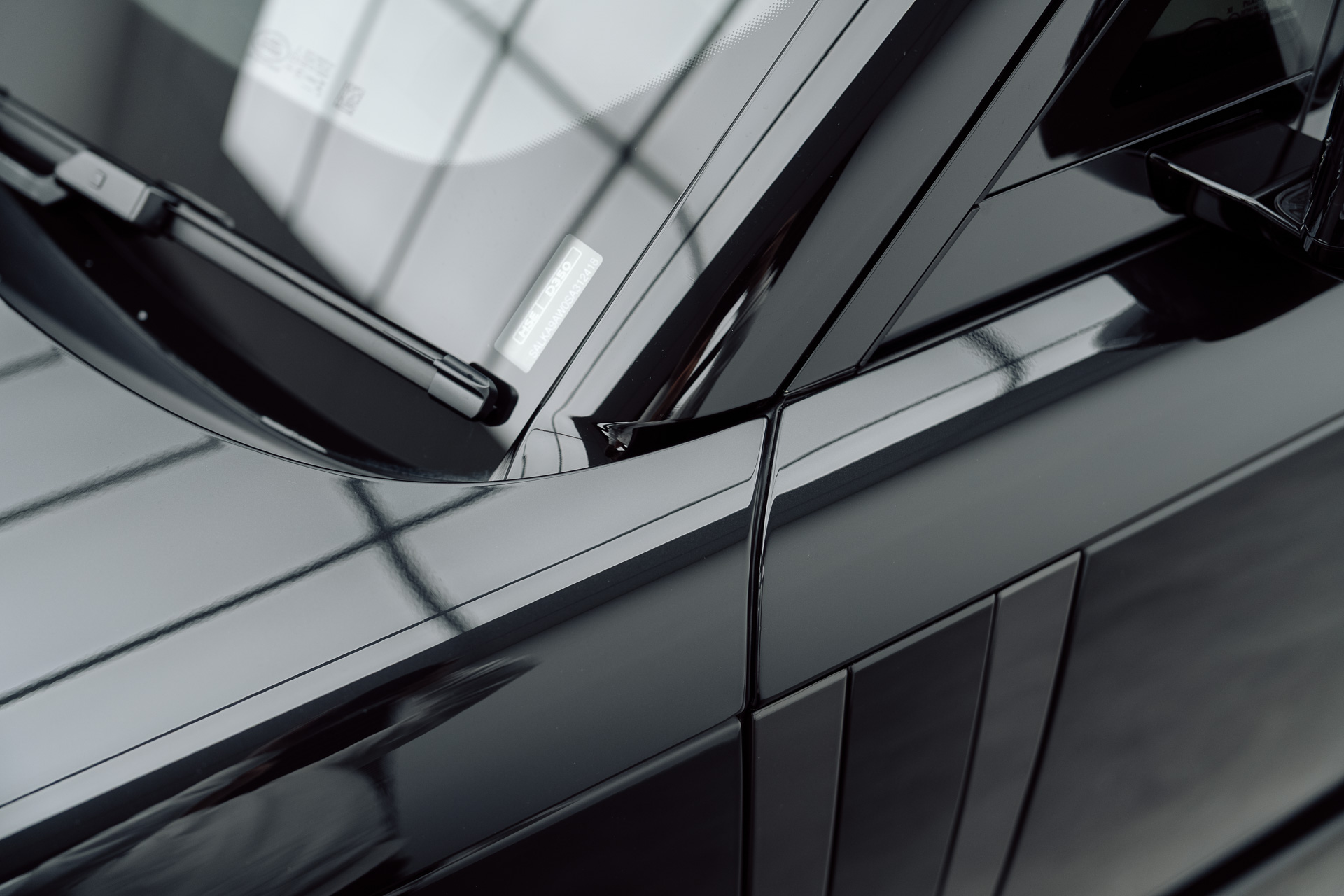
Ceramic coatings can be applied over Defcon PPF and do not interfere with the self-healing layer, though some coatings change the gloss level, so use coatings designed for film.
Film on the impact zones, coating over the lot: the package quote covers the whole vehicle's actual risk profile.
What The Customer
Keeps
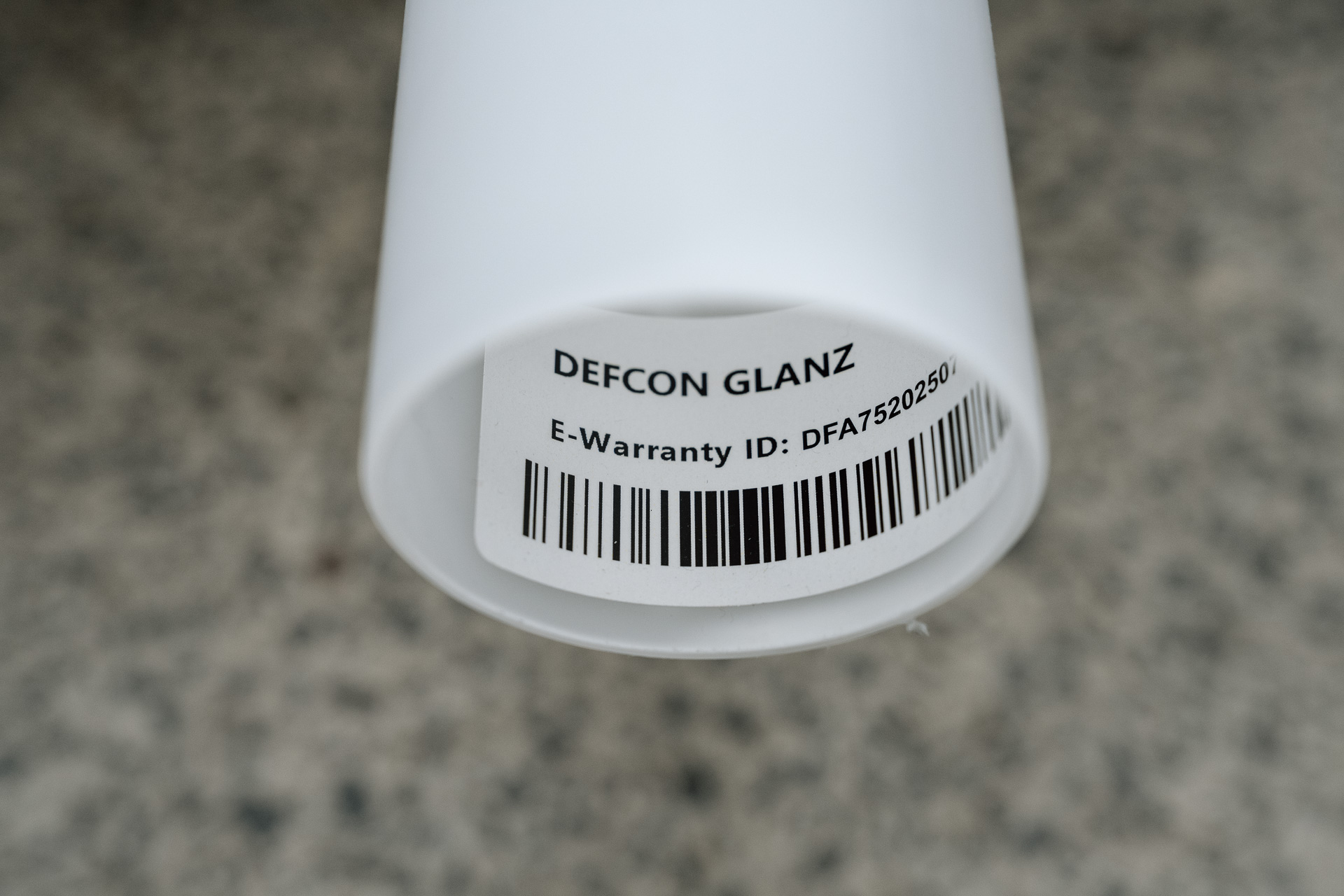
The film side carries transferable cover: up to 12 years on the gloss lines, registered through the e-Warranty system and moving with the vehicle at resale.
Aftercare stays simple on both layers: regular cleaning, no special products required.
Film Construction
& Testing
The physical barrier in the stack is 190 microns ±10% of aliphatic TPU with a 13-micron self-healing top coat; the numbers are unpacked on the specifications page.
The film side of the stack is UV tested: ARPANSA measured Glanz clear TPU film at 99.0% of UV blocked (reference UVR_25-0370-1). The coating side is chemistry, not a barrier, and the two are quoted together. Ready to pick a supplier? Use the PPF buyer's checklist.
Trade Pricing &
Sample Rolls
Film plus coating quotes as a package.
The stack is easiest to sell once you have built one: request a free sample roll, lay a bonnet, coat over it and photograph the result for your quoting sheet.
FAQ
-
Can customers apply ceramic coating over the film?
Yes. Ceramic coatings do not interfere with the self-healing layer, though some coatings change the gloss level of the finish. Advise customers to use coatings designed for PPF.
-
How deep a scratch will the film self-heal?
The self-healing clear coat is about 13 microns thick. Scratches contained in that layer repair with heat from sunlight or warm water. Anything that cuts through the clear coat is permanent, and that section should be replaced.
-
What maintenance should end customers follow?
No special maintenance is needed beyond regular cleaning. The self-healing top coat handles minor wash marks with heat, and full care terms sit alongside the warranty conditions on the warranty page.
-
Does the warranty transfer if the vehicle is sold?
Yes. Defcon warranties transfer to subsequent vehicle owners while a valid e-Warranty record exists, which is a selling point your customers can pass on at resale.
-
Can I test the film before ordering?
Yes. Request a free sample roll and run it through your own installation process, or order the Defcon Practice Pack to train on real film before touching customer stock.
-
Do I need a trade account to order?
Studios and installers open a trade account via the contact page; film for the stack ships from the online shop.
-
Do you offer support in Chinese?
Yes. Bilingual consultation in English and Chinese is available through our WeChat channel, covering product selection, ordering and technical questions. 我们提供中英双语咨询。
Developed by Defcon Films Australia
Every Defcon film is built for Australian conditions: materials selected globally, proven on local roads, and made to install well.