

Developed by Defcon Films Australia
TPU VS TPH PPF
What the base material means for the film you stock.
The Base Material Is
The Whole Argument
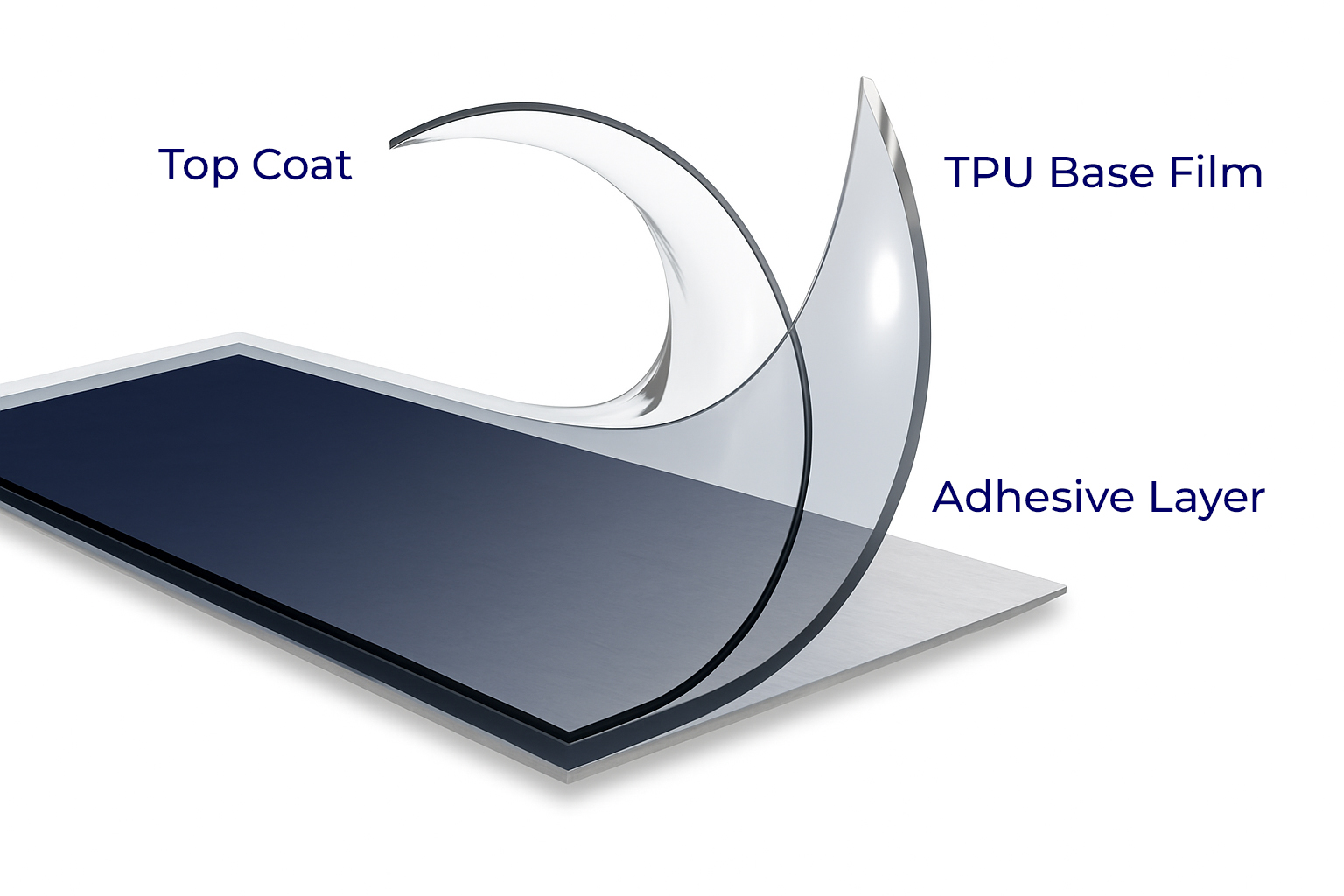
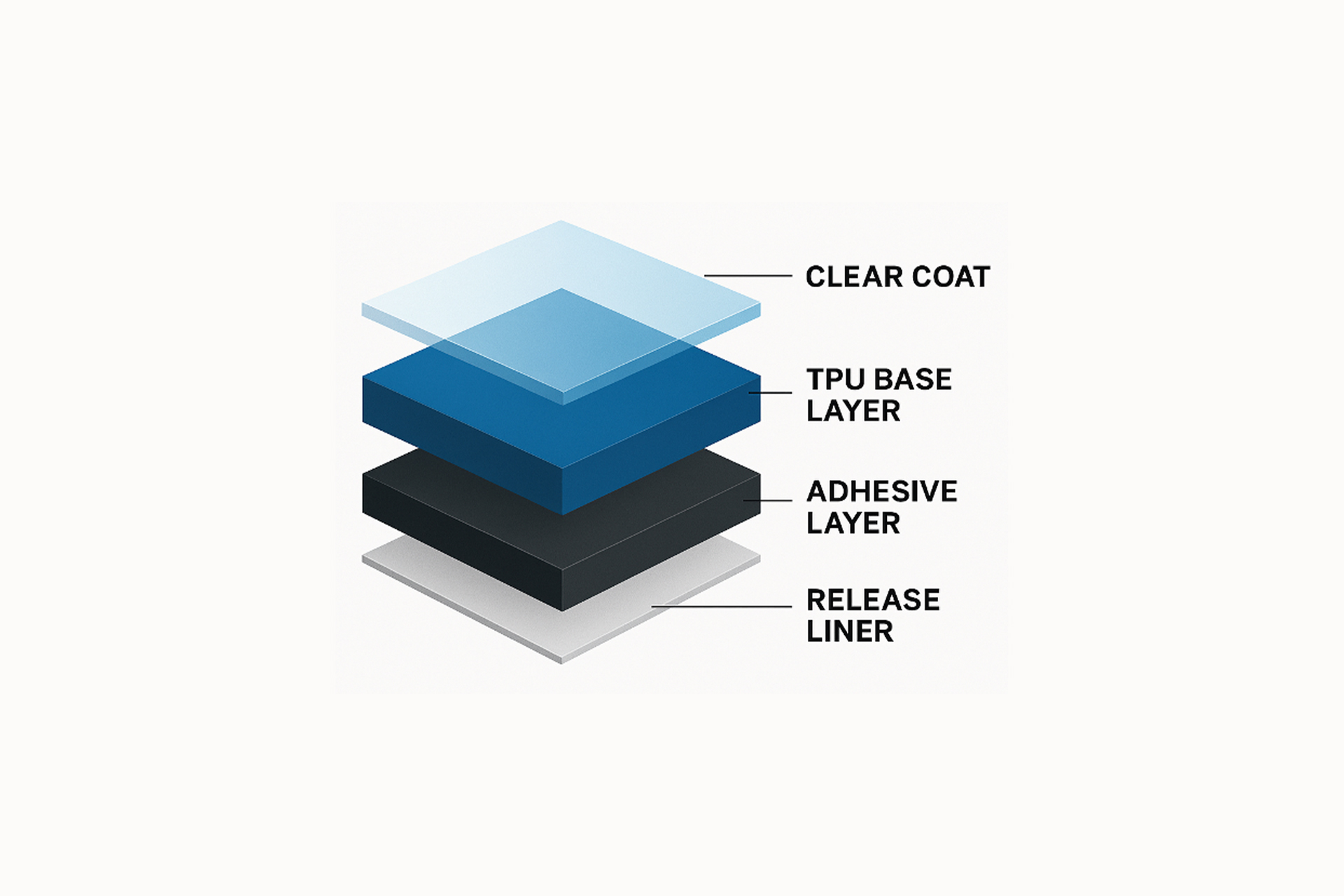
TPU (thermoplastic polyurethane) is the base material of premium PPF: it stretches over curves, recovers from deformation and supports self-healing top coats. TPH films are PVC-hybrid entry products that trade durability for price.
The Defcon PPF lines are built on aliphatic TPU, the grade used specifically because it resists the yellowing that cheaper aromatic and hybrid constructions are known for.
What The Defcon TPU
Spec Looks Like
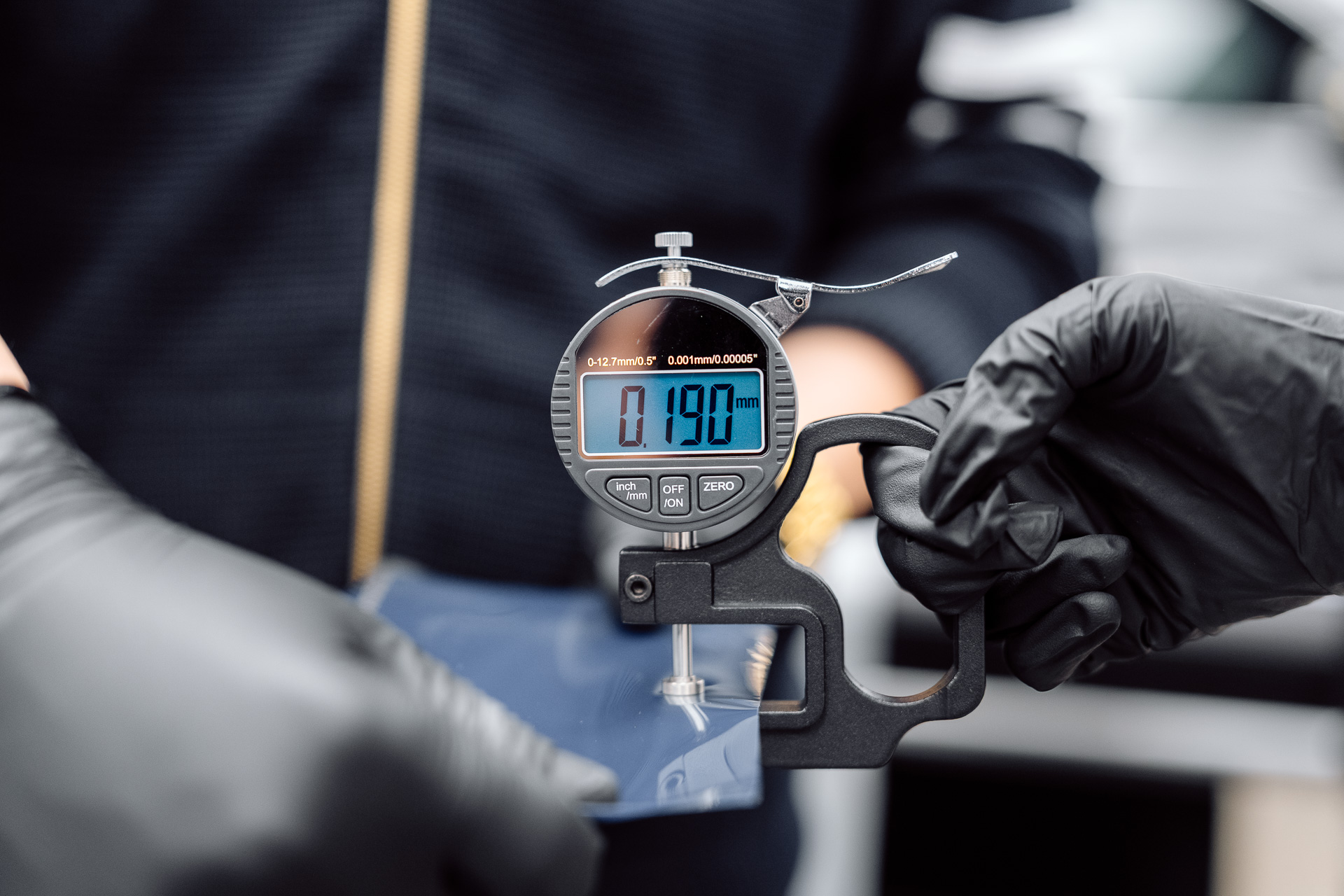
On paper the construction reads: 190 microns ±10% total (about 7.5 mils), close to 10 kg single-point puncture resistance, a 13-micron self-healing clear coat, and UV protection lab tested by ARPANSA.
On the wall it reads as warranty: up to 12 years on the gloss lines, with abnormal yellowing treated as a manufacturing defect.
The Honest Case
For Each
TPH has a place where budget beats longevity and the customer knows the trade-off. The problem is selling TPH at TPU expectations, which is where warranty claims and reputations go wrong.
If you stock both tiers, separate them clearly in quotes; if you stock one, the sample roll makes the maths straightforward.
Film Construction
& Testing
In Defcon's case the TPU spec reads 190 microns ±10% total thickness, about 7.5 mils, with puncture resistance close to 10 kg on a single point and a 13-micron self-healing top coat that repairs minor scratches under heat.
The yellowing question has a test behind it: ARPANSA tested Glanz clear TPU film, eight specimens, 99.0% of UV blocked, reference UVR_25-0370-1, results on the ARPANSA article. TPH hybrids are sold without an equivalent number.
Warranty
By Film Line
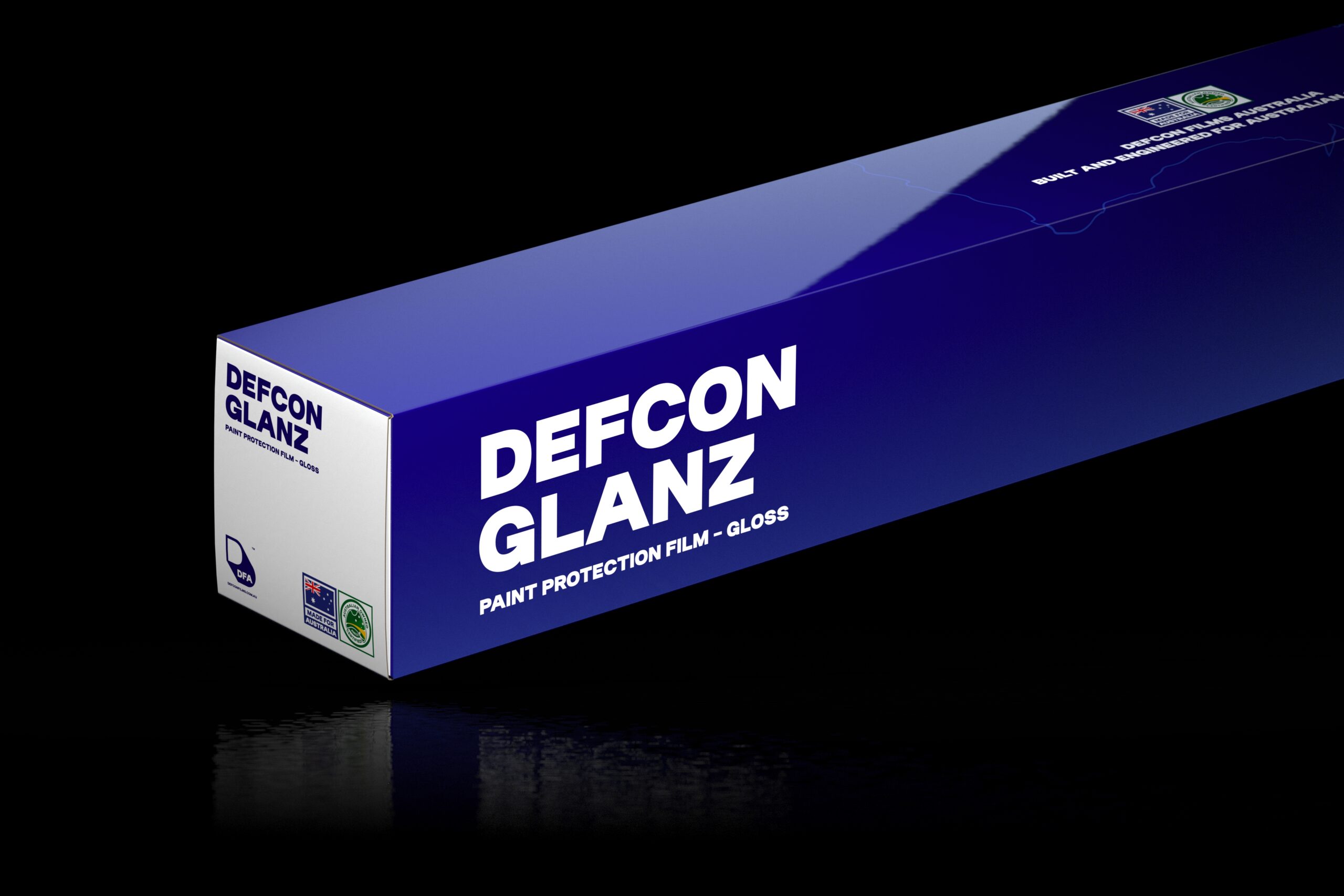
TPU and TPH also part ways on warranty. The Defcon TPU lines carry a limited warranty of 12 years on Defcon ONE, 10 years on Glanz and Frozen, 7 years on Spectra colour PPF and 3 years on Crystal Shield and FleetArmour; CoolVue window tint carries a lifetime limited warranty. Every term assumes normal use and proper installation, and the warranty page has the conditions in full.
Whichever TPU line you run, the install is registered in e-Warranty within 7 days of invoice.
What counts as a material defect, including premature yellowing, is defined on the warranty page.

Trade Pricing &
Sample Rolls
The base material is what you are paying for, and Defcon's aliphatic TPU lines are priced accordingly behind the trade login. Compare the buy rate against a TPH film's replacement rate, not its sticker.
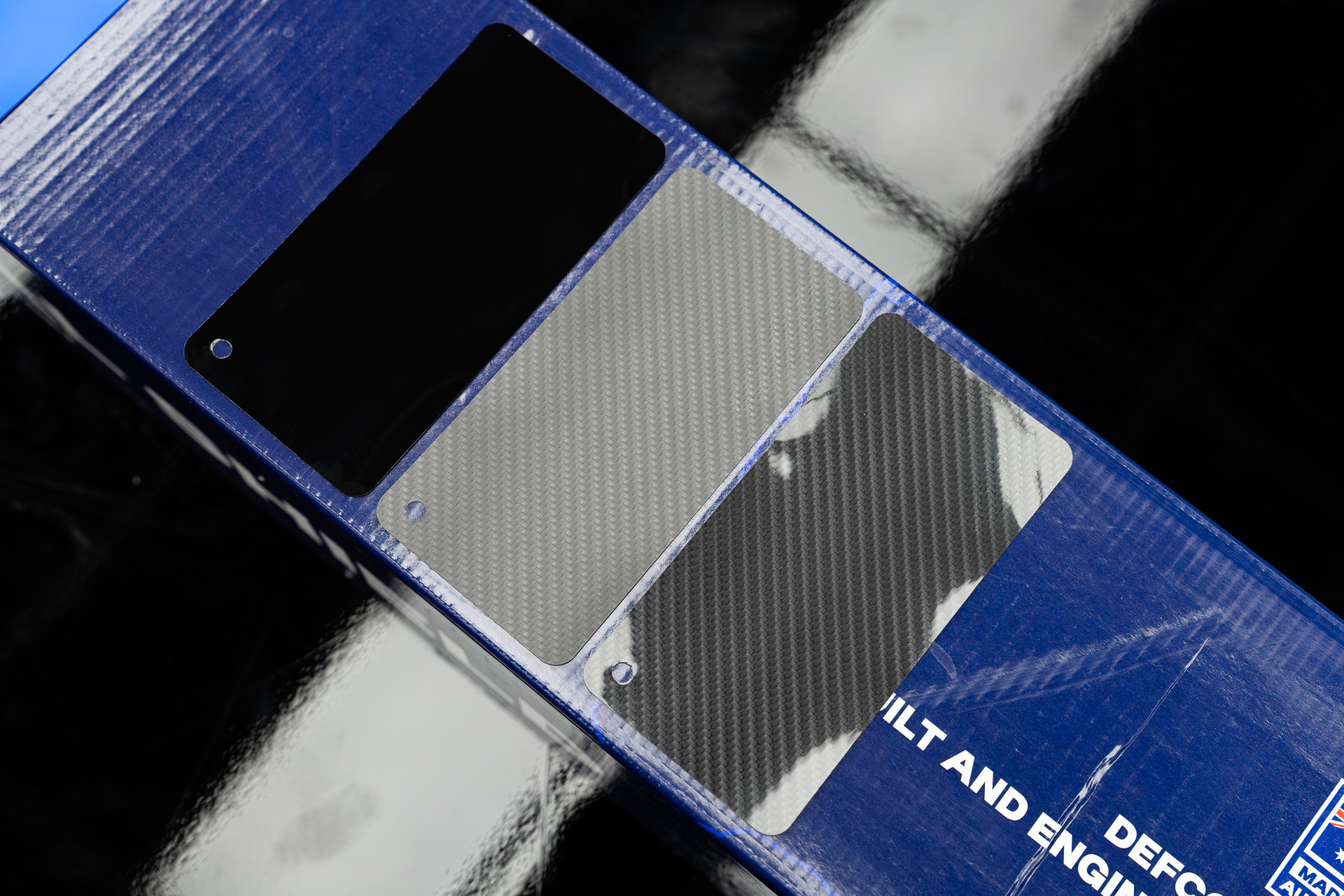
The TPU difference is easiest to feel than to read: request a free sample roll, stretch it over a mirror cap, scuff it and heat it, then do the same with the hybrid film on your wall.
FAQ
-
Can I test the film before ordering?
Yes. Request a free sample roll and run it through your own installation process, or order the Defcon Practice Pack to train on real film before touching customer stock.
-
How deep a scratch will the film self-heal?
The self-healing clear coat is about 13 microns thick. Scratches contained in that layer repair with heat from sunlight or warm water. Anything that cuts through the clear coat is permanent, and that section should be replaced.
-
Will the film yellow over time?
Defcon ONE is backed by a 12-year warranty against yellowing, and abnormal or premature yellowing is treated as a manufacturing defect under warranty. Proper care maintains clarity through the film's lifespan.
-
How long does the film last?
Defcon ONE carries a 12-year warranty and Glanz a 10-year warranty covering yellowing, staining, bubbling, peeling and cracking, so the film you sell is warranted for close to the ownership life of most vehicles.
-
How do I open a trade account?
To stock a TPU line, open a trade account through the contact page and order from the online shop.
-
Do you offer support in Chinese?
Yes. Bilingual consultation in English and Chinese is available through our WeChat channel, covering product selection, ordering and technical questions. 我们提供中英双语咨询。
Developed by Defcon Films Australia
Every Defcon film is built for Australian conditions: materials selected globally, proven on local roads, and made to install well.