

Developed by Defcon Films Australia
WHAT IS PPF
Paint protection film explained in plain terms.
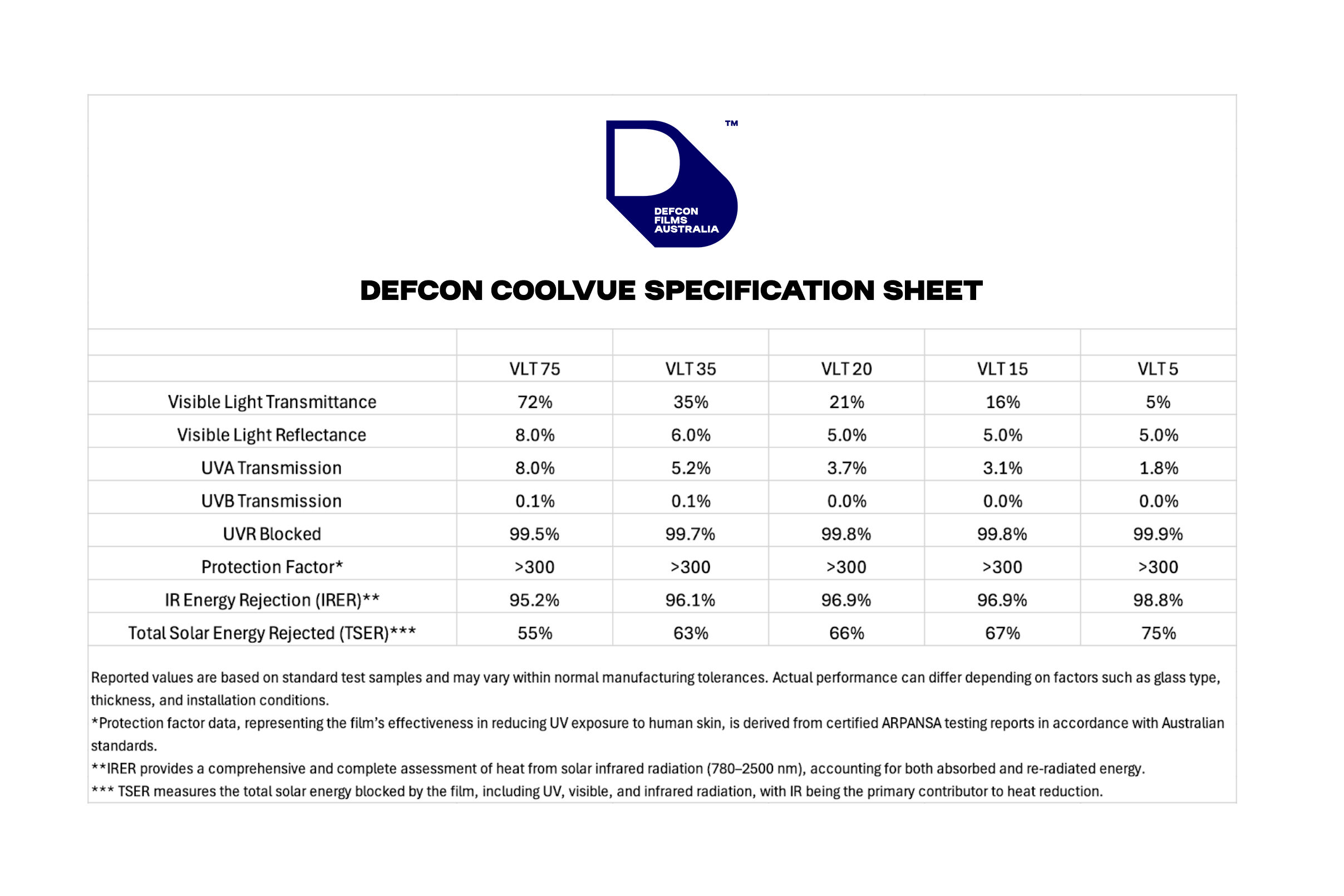
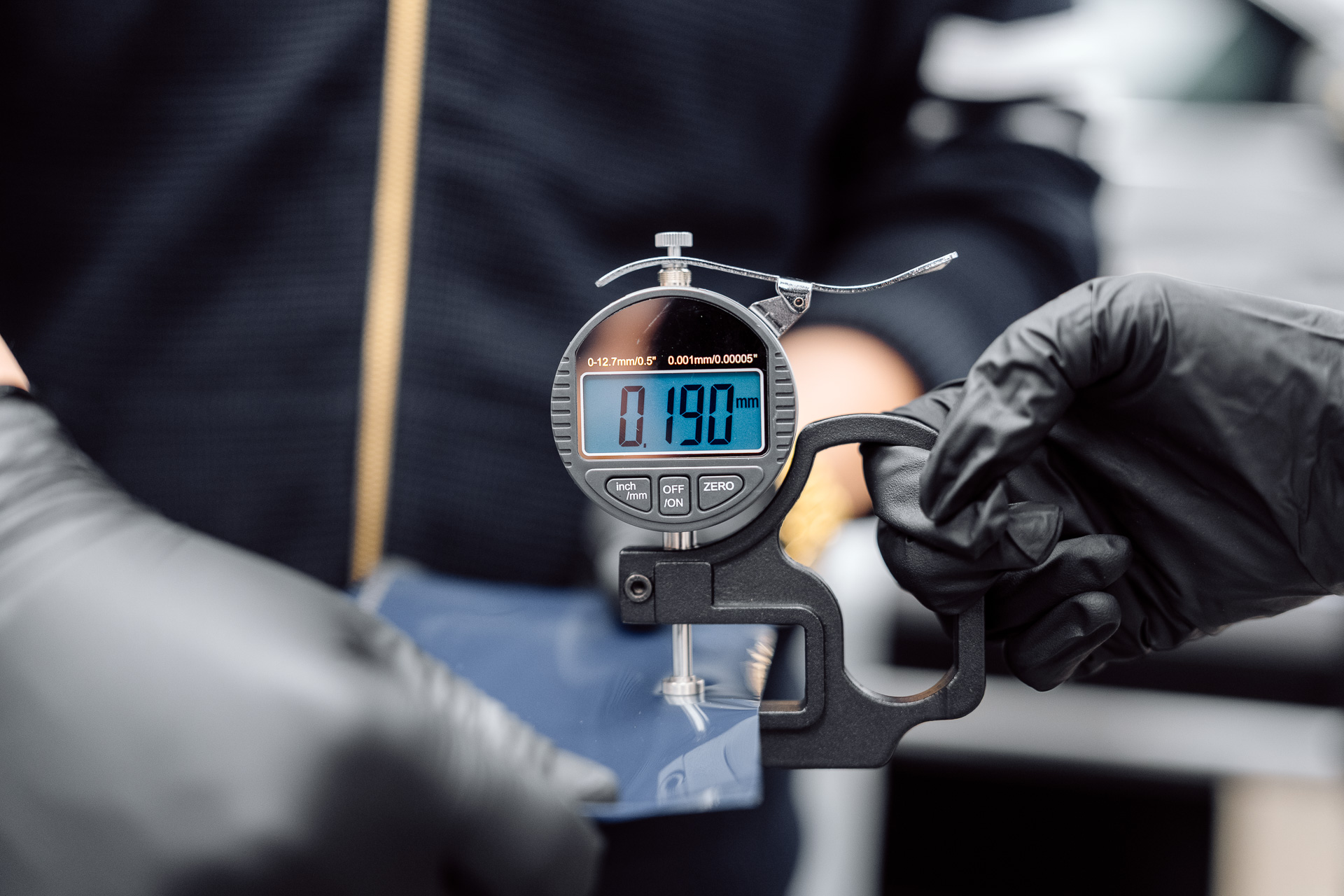
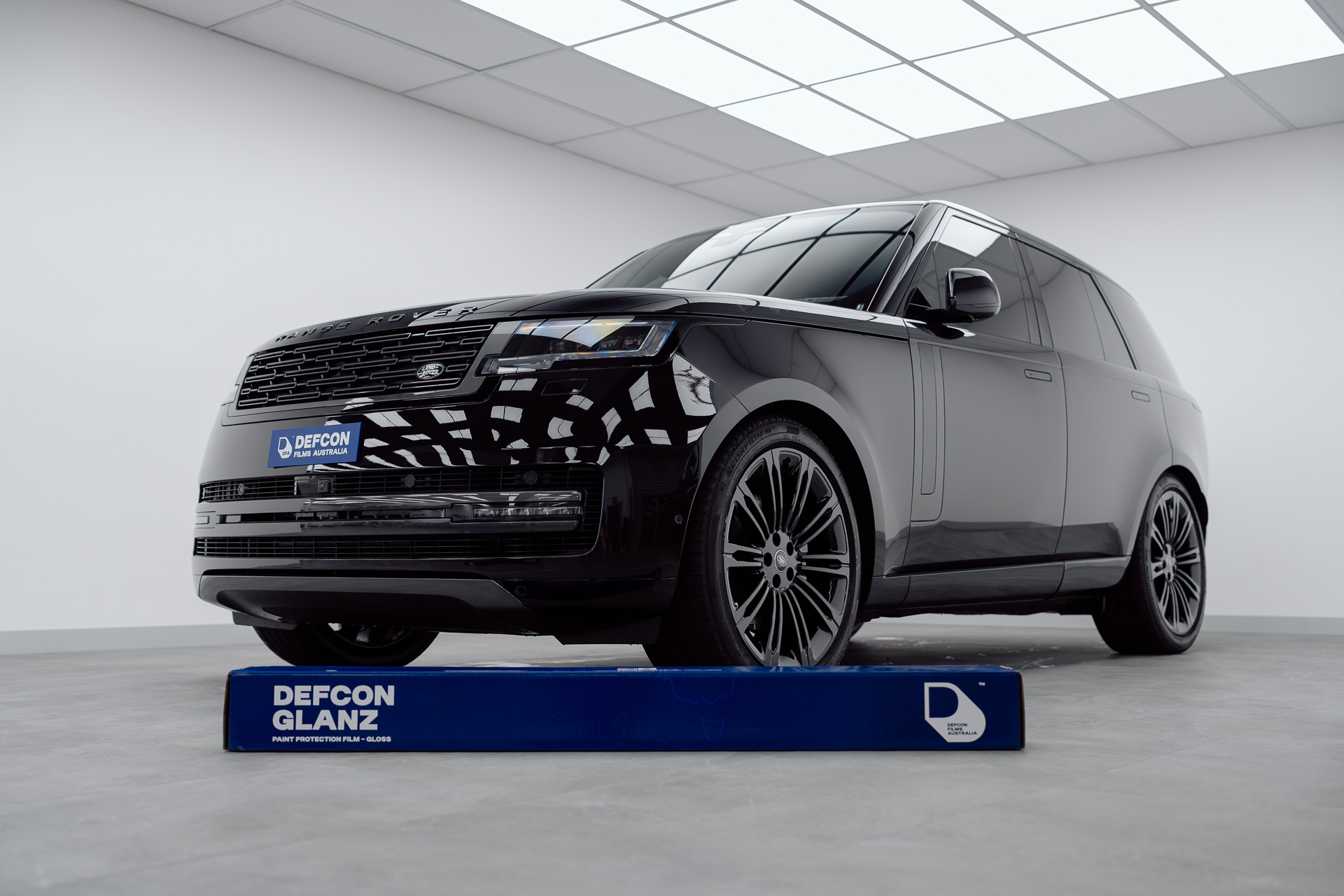
PPF stands for paint protection film. It is a clear or coloured layer of thermoplastic polyurethane applied over a vehicle's paint, and it takes stone chips, scratches and UV instead of the paint underneath. Defcon gloss film is aliphatic TPU at 190 microns ±10%, about 7.5 mils, with a 13-micron self-healing top coat. This page explains what the film is made of, what it protects against, how it differs from ceramic coating and vinyl wrap, and how it is installed and warranted in Australia.
What The Film
Is Made Of
Modern PPF is built on thermoplastic polyurethane, usually shortened to TPU. The Defcon gloss lines use aliphatic TPU, the construction that resists yellowing, at a total thickness of 190 microns ±10%. The TPU vs TPH guide explains why the base material matters.
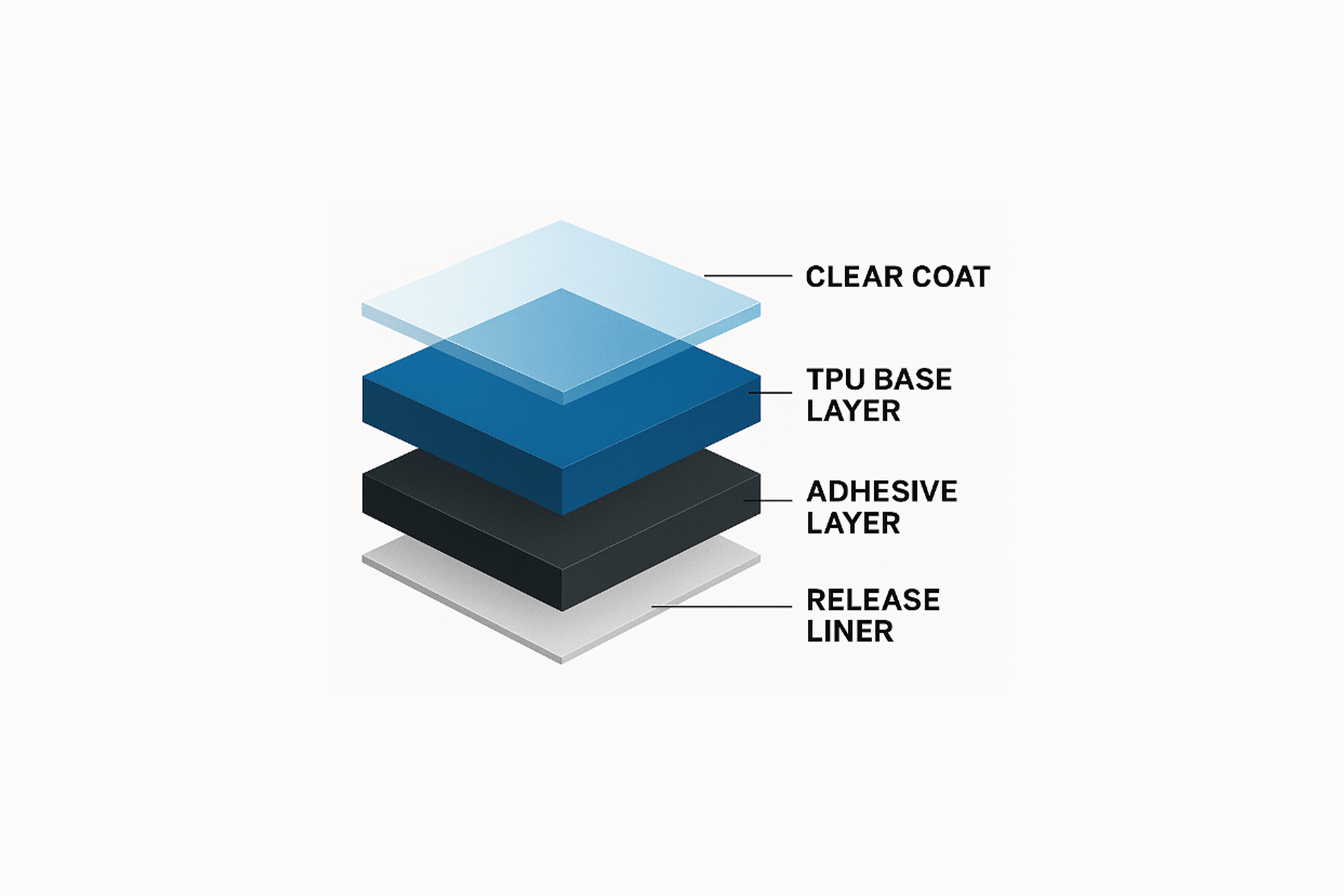
On top sits a self-healing clear coat about 13 microns thick. Scratches contained in that layer repair with heat from sunlight or warm water. Underneath is an adhesive that slides during positioning and grips once placed. The film specifications page walks through each number on a spec sheet.
What PPF
Protects Against
The film is a physical layer that takes the hit instead of the paint. Puncture resistance close to 10 kg on a single point is the stone chip figure, and the self-healing coat deals with wash marks and light scratches.
UV is the other job. ARPANSA tested Defcon Glanz clear film in Melbourne and recorded 99.0% of UV blocked, reference UVR_25-0370-1; the ARPANSA article has the report. Anything that cuts through the clear coat is permanent, and that section of film is replaced.
PPF, Ceramic Coating
And Vinyl Wrap
These three get confused. Film stops stone chips and impact, a ceramic coating handles UV and chemicals and can go over the film, and vinyl wrap is there to change the colour. The PPF vs ceramic coating and PPF vs vinyl wrap guides compare them.
Finishes
And Types
Some films are made for a single job: FleetArmour is a sacrificial layer for 4WD and fleet panels, and Crystal Shield is for windscreens and EV glass, where standard PPF distorts.
How Long It Lasts
And The Warranty
Warranty length depends on the film line. Defcon lists 10 years on Glanz and Frozen, 7 on Spectra and 3 on FleetArmour and Crystal Shield, each a limited warranty under normal use and proper installation. Full terms are on the warranty page.
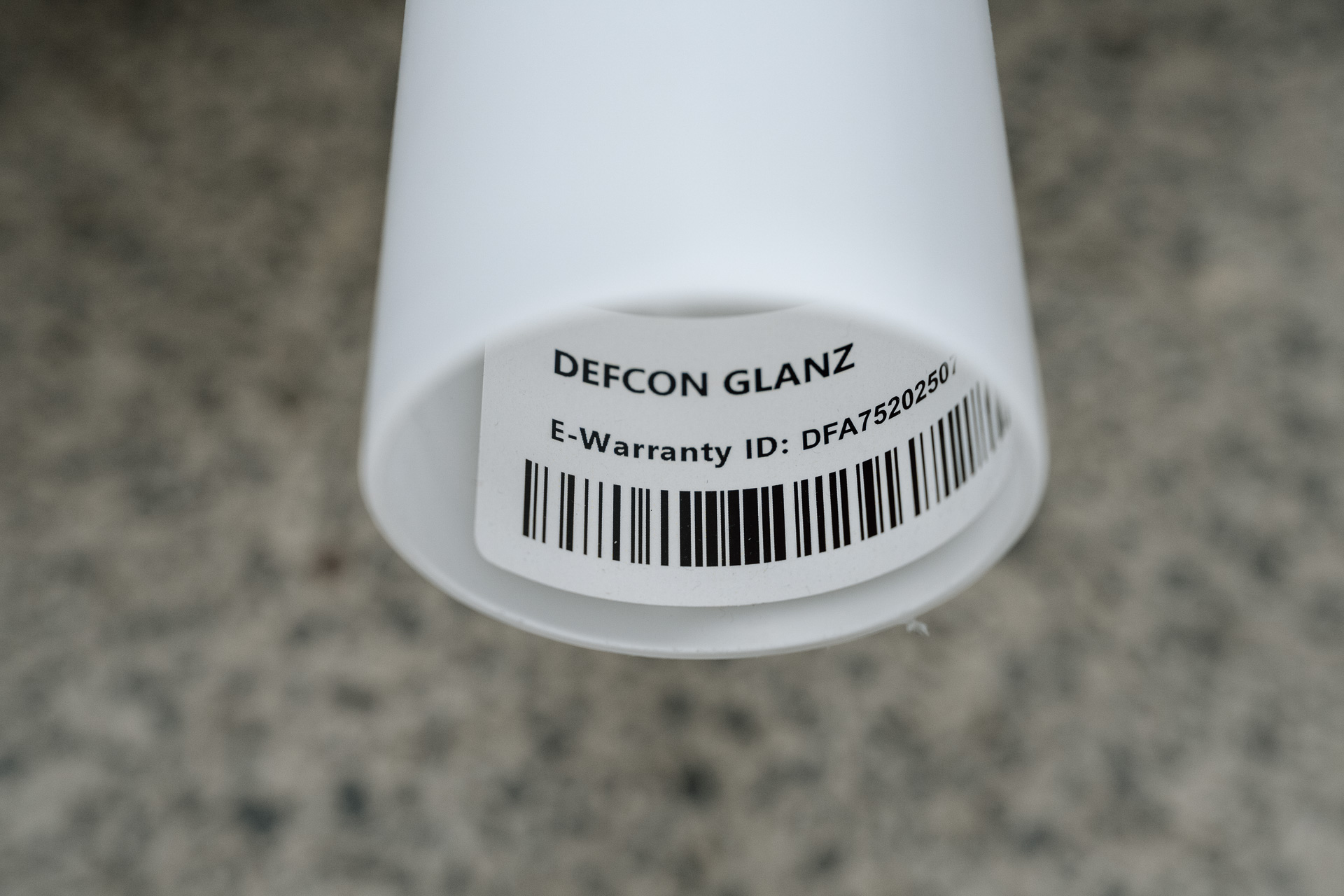
Each roll is serialised and each installation is registered through e-Warranty within 7 days of invoice, and the cover transfers to the next owner while a valid record exists.
No special maintenance is needed beyond regular cleaning, and correct removal is very unlikely to damage original factory paint.
How PPF
Is Installed
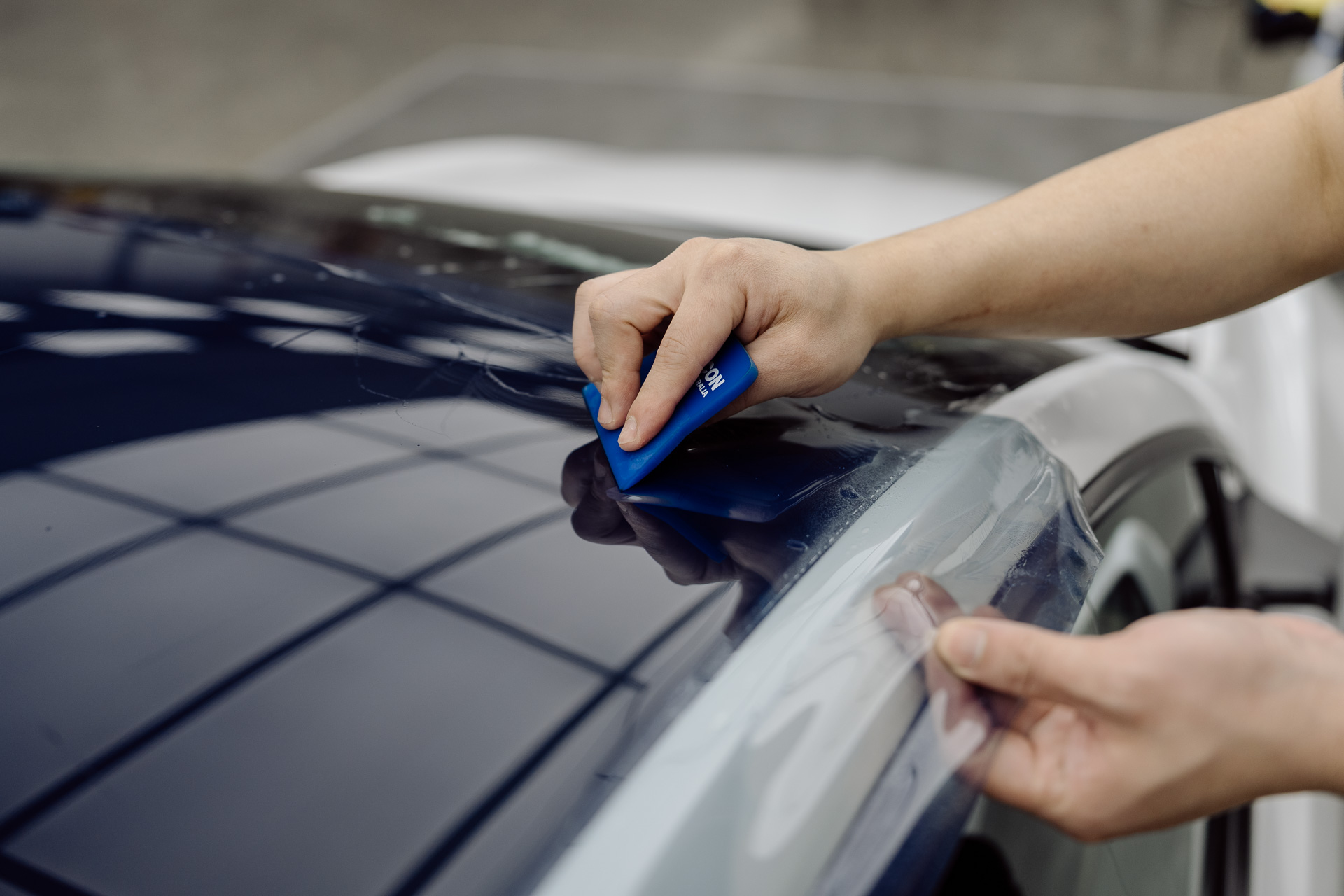
A professional installation runs in five stages: preparation, patterns, placement, heat work and registration. Patterns are cut on a plotter so blades stay off the paint. The installation guide explains each stage.
Factory paint is typically fully cured when a new car is delivered, so film can go on straight away. Whether it is worth the cost is covered in is PPF worth it, and how a shop builds a PPF quote explains pricing.
Where Installers
Buy PPF
Defcon Films Australia supplies PPF by the roll to installers, detailers and tint shops. Prices are listed ex. GST in the online shop with no account needed, and orders over $1000 ex. GST ship free Australia-wide.
A free sample roll lets a workshop test the film on its own panels first, and PPF training is run by the same team that supplies the film.

FAQ
-
What does PPF stand for?
PPF stands for paint protection film: a clear or coloured polyurethane film applied over a vehicle's paint to take stone chips, scratches and UV.
-
Is PPF the same as a clear bra?
Yes. Clear bra is an older name for clear paint protection film on the front of a car.
-
Does PPF heal itself?
The self-healing clear coat is about 13 microns thick. Scratches contained in that layer repair with heat from sunlight or warm water. Anything that cuts through the clear coat is permanent.
-
Can you put ceramic coating over PPF?
Yes. Ceramic coatings do not interfere with the self-healing layer, though some coatings change the gloss level of the finish. Use coatings designed for PPF.
-
Can PPF go on a brand-new car?
Yes. Factory paint is typically fully cured before the vehicle leaves the assembly line, so new deliveries can be filmed straight away.
-
Does removing PPF damage paint?
Modern factory paint adheres to the panel far more strongly than the film adheres to the paint, so correct removal is very unlikely to damage original paint.
-
Do you offer support in Chinese?
Yes. Bilingual consultation in English and Chinese is available through our WeChat channel, covering product selection, ordering and technical questions. 我们提供中英双语咨询。
Developed by Defcon Films Australia
Every Defcon film is built for Australian conditions: materials selected globally, proven on local roads, and made to install well.