

4WD Paint Protection Film: Which Film Goes on Which Panel
Choosing 4WD paint protection film comes down to the panel, not the vehicle. Tray sides, sills and rock sliders take routine abrasion, as do bonnet leading edges, so they suit Defcon FleetArmour, a sacrificial film priced to be replaced when it wears. Painted panels the owner wants kept at showroom gloss, such as the doors or the bonnet face, suit a clear gloss TPU film like Defcon Glanz. Quoting the whole vehicle in one film usually means either overspending on panels that get scraped or underprotecting panels the customer cares about.
Why 4WD panels wear differently from road cars
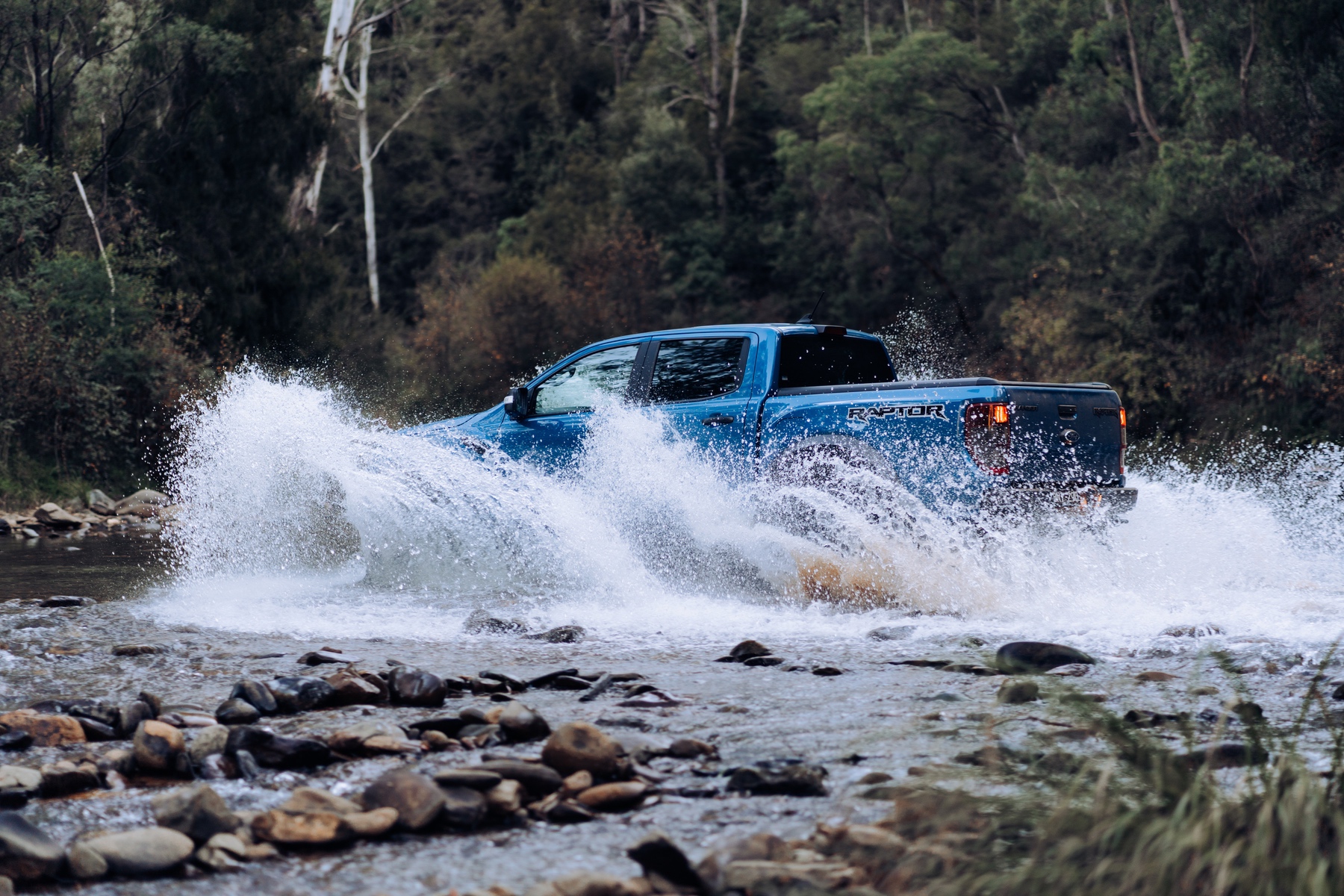
A city car mostly collects stone chips on the nose. A 4WD collects them everywhere below the beltline, because it spends time on surfaces a sedan never sees. The Queensland Government notes that unsealed roads can be gravel, sand or dirt, and that loose dirt and gravel can be thrown up by other vehicles on them. That debris hits the sills and lower doors as well as the leading edge of the tray, not only the bonnet.
Road edges are another source. The state’s driving conditions guidance warns that the edge of a country road may drop off or carry loose stones, and tells drivers to slow down and increase following distance on unsealed surfaces. Anyone who has pulled onto a gravel shoulder in a dual cab knows where those stones end up: along the rocker panel and into the wheel arch lip.
The vehicle mix makes this a volume question for installers. The Bureau of Infrastructure and Transport Research Economics reports that SUVs made up 55% of new motor vehicle sales in 2022-23, and that Australia’s paved road network was an estimated 427,000 kilometres in 2022. Not every SUV goes off road, but a growing share of the cars arriving at a film shop sit high, carry accessories, and are driven somewhere rough at least a few times a year.
Zone one: abrasion panels suit a sacrificial film
Abrasion zones are the panels where damage is routine rather than occasional. On a typical dual cab ute that list is short and predictable:
- Tray sides and the tray’s front and rear corners
- Sills and rock sliders
- Lower door skins behind the front wheels
- Bonnet leading edge and the front of the guards
- Rear quarters behind the rear wheels on wagons
Defcon describes FleetArmour as a sacrificial layer made for wear and tear, with self-healing and easy installation on large flat sections, and a price point set so the film is replaced rather than repaired. The 4WD paint protection film page is explicit that wear on abrasion zones is not a defect. That framing matters at the counter: a customer who understands the film is meant to take the scrape and be swapped out will not treat a scuffed sill piece as a warranty problem.
FleetArmour ships at 1.52m x 15m per roll, according to the FleetArmour product listing. The 1.52m width covers a full tray side or a long sill in one piece on most utes, which cuts seams on the panels that take the most hits. Fewer seams also means fewer lifted edges for mud and dust to pack into.
Zone two: finish panels suit a clear gloss TPU
Finish panels are the ones the owner looks at: the bonnet face and the doors above the swage line, plus the front guards and tailgate. These panels still get chipped, but the job here is keeping factory gloss intact for years, and optics count as much as toughness.
Defcon Glanz uses an aliphatic TPU construction with a total thickness of 190±10% microns and a single-point puncture resistance of almost 10kg, as listed on the Glanz product page. Its self-healing top coat is about 13 microns thick. Scratches contained in that layer, like the scrub marks left by roadside branches on a narrow track, pull back out with heat from the sun or warm water. A branch that cuts through the top coat leaves a permanent mark, and that section should be replaced.
UV exposure is the other reason to put a tested film on finish panels. ARPANSA tested eight Glanz specimens and recorded 99.0% of ultraviolet radiation blocked, a result covered in detail in what ARPANSA UV testing means for PPF. A 4WD parked on a beach or at an outback campsite spends long days in direct sun, and the finish film is the one the owner will judge on clarity.
If the vehicle wears a matte or satin factory finish, the finish panels move to Defcon Frozen instead, so the film does not add gloss to paint that was designed without it.
Prep and paperwork on a 4WD job
Off-road vehicles arrive with more contamination than road cars. Red dust and bitumen spatter sit in panel gaps, under the tray lip and behind the sill mouldings. The Defcon warranty guide lists dust contamination and water pockets among the installation related issues that are not covered, so the prep time on a 4WD is where that risk is controlled. DFA Surface Cleaner ships in 24 can cartons and DFA Installation Gel in 16 litre drums, which suits shops doing several utes a week.
Inspect the paint before quoting. The same guide notes that paint lifting during film removal can happen where paint has been compromised by stone chips, impact damage, previous repairs or clear coat failure, and that no paint warranty applies to resprayed or aftermarket panels. Older 4WDs often have a resprayed bonnet or touched-up sills. Photograph those areas at intake and note them on the job card before any film is cut.
Tray sides and flares on accessory-heavy builds rarely match a stock pattern. Measure the fitted accessories and adjust the cut in OEMC Pattern Software before plotting, rather than trimming by hand on a customer’s vehicle.
Split the quote by zone so the customer sees what each film is doing. A common structure is a FleetArmour line for abrasion panels and a Glanz line for finish panels, with the areas listed on each. It keeps the conversation on coverage, and it lets the customer drop or add a zone without the whole number moving. The same logic applies to satin builds, covered in how to quote satin PPF.
Fleet and 4WD work also needs clean records. The 4WD page states that fleet vehicles register individually in e-Warranty within 7 days of invoice, so a mine-site contract ends up with one record per vehicle. Enter each vehicle’s films and zones separately so a later claim can be matched to the right product line.
Before committing to a fleet contract, lay test pieces on the panels your customers actually damage. A free sample roll of FleetArmour is enough to wrap a rock slider or a tray side and see how it handles in your own workshop.
Frequently asked questions
Should a 4WD get the same PPF on every panel?
Usually not. Abrasion panels such as sills, rock sliders and tray sides take routine damage and suit a sacrificial film like FleetArmour that is replaced when worn. Finish panels such as the bonnet face and doors suit a clear gloss TPU like Glanz, where optical clarity and self-healing matter more.
Is wear on FleetArmour covered as a defect?
No. Defcon’s 4WD page states that wear on abrasion zones is not a defect and that FleetArmour is priced for replacement. What counts as a manufacturer defect is set out on the warranty guide, and each vehicle must be registered in e-Warranty for any claim to be assessed.
Can PPF go over a resprayed panel on an older 4WD?
It can be installed, but no paint warranty applies to resprayed, refinished or aftermarket paint under the Defcon warranty guide. Installers are responsible for spotting previous repairs, so check and photograph older panels at intake and tell the owner before the job starts.